


This is a question that always remains relevant, isn't it? No matter how careful we are, those invisible accidents happen to all of us, and the greasy sauce from that delicious burger we're eating drips onto the shirt or trousers we carefully selected from an ethnic clothing shop. These stains are a nightmare for all of us; we often think, "This stain won't come out anyway." Sometimes we give up wearing our favorite clothes because of this, and they end up forgotten in a corner of the closet. Since oil stains are stubborn, the most effective solution is to intervene immediately. You should remember that the longer you wait, the harder it will be to remove the stain. If your heart doesn't allow you to waste the rare pieces in your closet for the sake of a stain and you want to get rid of these stubborn marks, you can take a look at the practical solutions in our guide.
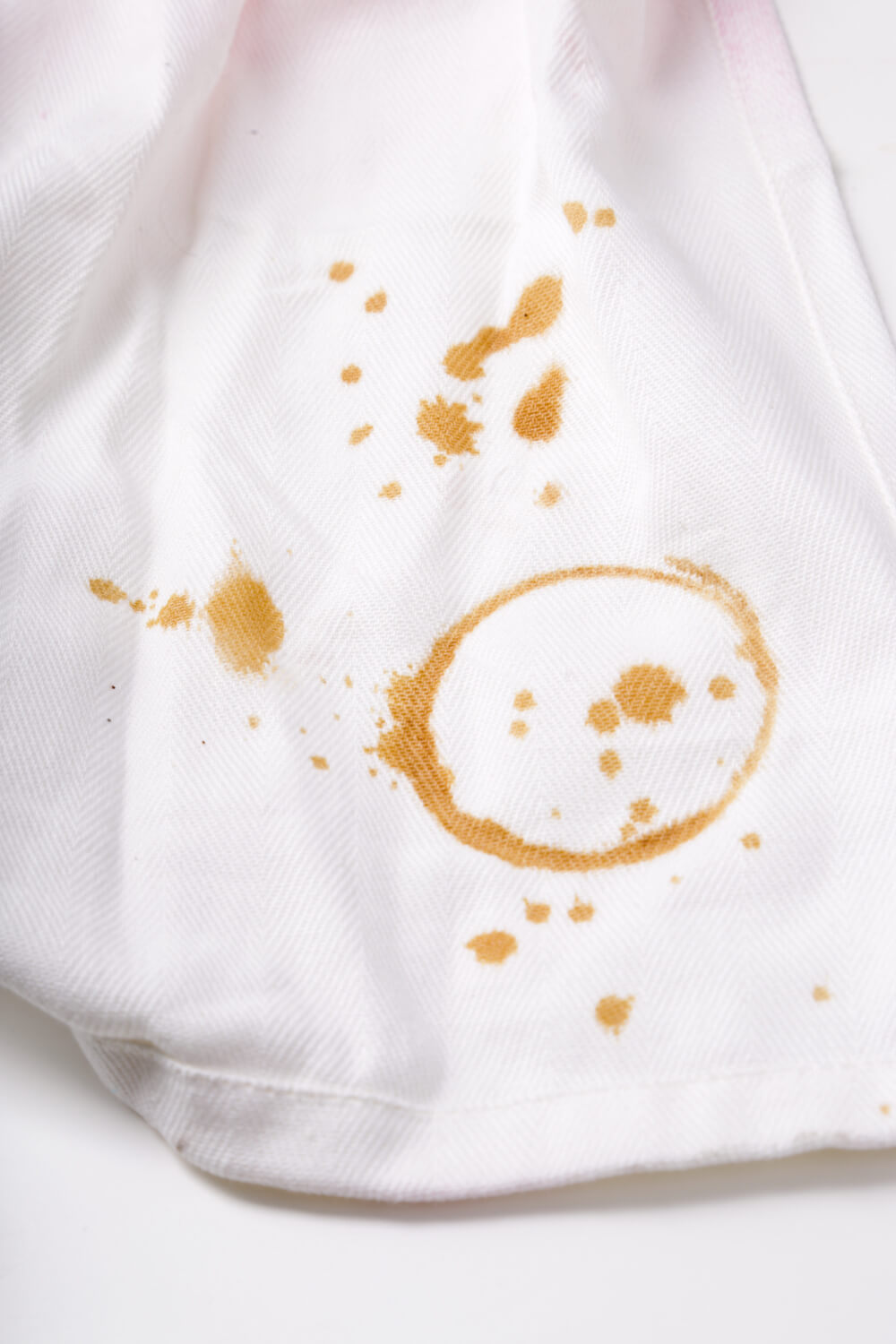
How to Remove Oil Stains from Clothes?
- You can use salt.
- You can use vinegar.
- You can use baking soda.
- You can use starch.
- You can use dish soap.
- You can use baby powder.
- You can use ether.
How to Remove Oil Stains from Washed Laundry?
Let's say you threw the laundry into the machine without noticing the oil stain and saw it after hanging and drying it. If you don't have various stain removal sprays, cleaning pastes, or similar products sold on the market, you can easily make your own mixture at home as a cheaper and effective method. White vinegar and baking soda are effective degreasers found in every home. Add white vinegar little by little to 1 teaspoon of baking soda in a small bowl until it reaches a paste consistency, and after wetting the stained garment, carefully apply this mixture onto the stain. Wait for a while and then scrub and wash the stained area under warm water in the sink.
How to Remove Old Oil Stains from Clothes?
As we all know, an old oil stain almost becomes part of the fabric, and these are indeed the most stubborn stains. That bohemian dress you bought with great love gets forgotten in a corner of your wardrobe because of that oil stain that didn't come out with a normal wash. At this point, baking soda, the cure for everything, comes to our rescue again. After dampening the stained area, pour a little baking soda onto the stain and scrub it immediately with a toothbrush. At this stage, you should scrub gently to avoid damaging the fabric. Then, scrub slightly and wash the stain well with warm water.
How to Remove Oil Stains from Washed Trousers?
The materials you need to use may vary depending on the type of fabric. For delicate fabrics like viscose or silk, you can use baby powder or starch, which have oil-absorbing properties. After pouring plenty of these materials onto the damp fabric and waiting for about 10 minutes, you can press a damp cotton cloth onto it to transfer the stain to the cloth. Did you notice an oil stain on those wonderful trousers you bought from a maternity wear shop? For sturdier fabrics like linen or denim, white bar soap might do the trick. After wiping the damp trousers with plenty of soap, scrub them with a soft sponge. Then, rinse the trousers thoroughly with warm water and leave them to dry.
How to Remove Oil Stains with Tomato Paste from Clothes?
As if an oil stain wasn't stubborn enough, it can be even harder to remove if it also contains tomato paste. A high-quality dish soap will be very useful here. You should wait for a while after pouring some detergent and hot water onto the stain. Afterward, you should intervene in the stain by wiping and rubbing it with a clean, wet cloth. You will see the stain disappear after scrubbing and rinsing thoroughly. For small items, soaking them in warm water with plenty of baking soda and then washing and rinsing again with laundry detergent will also be an effective solution.
How to Remove Machine Oil Stains from Clothes?
Because of its dense texture, machine oil will likely have penetrated your fabric. Therefore, you need to apply a pre-treatment. First, apply baking soda to the stain. Spread the baking soda onto the stained area with the help of a clean toothbrush. During this process, the baking soda will interact with the stain and form clumps. Then, continue brushing until the oil stain disappears. Immediately afterward, wash it with a high-quality detergent with stain-removing properties, following the garment's washing instructions. Check the stain after taking it out of the machine. If it hasn't come out yet, you will need to repeat the same steps.
Quick and Practical Methods for Removing Oil Stains from Clothes
First of all, the sooner you intervene with an oil stain, the easier your job will be. It won't be easy to remove oil that has penetrated the fabric's texture the longer you wait. If you cannot bear the thought of that beautiful dress or skirt you bought from the women's clothing shop in your neighborhood being ruined by an oil stain, we would like to offer you some practical solutions that will be very useful.
Tips for Removing Oil Stains: Which Materials and Techniques Are Effective?
- Gently scrub the baking soda you poured onto the stain using a wet toothbrush. If the stain contains tomato paste, you can use a mixture of baking soda and a little dish soap.
- The most effective method for removing a freshly formed oil stain is to immediately pour plenty of salt over it and wait. After 10 minutes, rinse off the salt with warm water and wash with laundry detergent.
- For olive oil stains, applying plenty of ice to the fabric and scraping it off carefully after the oil freezes can be an effective method. At this point, a gel ice pack from your freezer will come to your rescue.
- White vinegar, a powerful cleaning agent, can be very useful for any kind of oil stain. Apply the vinegar to the stained area with a sponge and then wash it.
- You can get rid of the stain by applying plenty of white bar soap to the stain moistened with hot water and then carefully scrubbing it.
What Are the Special Approaches for Cleaning Oil Stains on Different Fabric Types?
- One of the most effective materials for removing oil stains on cotton and linen fabrics is talcum powder. Cover the stain completely with the powder and wait a little while. Then, scrape it off using a metal spoon. The powder will absorb and trap the oil molecules. You can also apply the powder with the help of a clean toothbrush. Dish soap, which is a good degreaser, can also be an effective method for removing oil molecules from the fabric.
- Silk and chiffon fabrics require more careful intervention due to their delicate structure. Baby powder will be your chief assistant here too. After sprinkling plenty of powder over the stain, wait for a while for the oil molecules to be absorbed. Press a cotton cloth moistened with warm water onto the stain to transfer the oil to the cloth. Then, wash at a low temperature.
- For synthetic fabrics, the most effective method is to use ether. Since ether is a volatile substance, we recommend that you do this process in the open air or in a room with open windows. Wipe with a piece of cloth soaked in ether, taking care not to damage the fabric, and wash according to the instructions after hanging it out to allow the ether to evaporate.
- On satin fabrics, you can pour a little rubbing alcohol onto the stained area. When you wash the fabric according to the washing instructions, you will see the stain disappear. If you don't have rubbing alcohol, you can also use lighter fluid.
- You can use starch to remove oil stains from woolen fabrics and sweaters. Sprinkle a full tablespoon of starch onto the oily area. After waiting a while, press a wet cloth firmly onto the fabric or sweater to transfer the stain to the cloth. You will see that this method is very effective, especially for fresh stains.
- For fabrics made of faux leather, you can clean the stained surface without getting it too wet using a clean sponge with a small amount of ammonia added to soapy water. You can also clean it with soapy water to which a tablespoon of white vinegar has been added per cup of water.