


Sustainable fashion with ecological fabrics! Make eco-friendly and skin-healthy choices with organic cotton, bamboo, and recyclable materials.
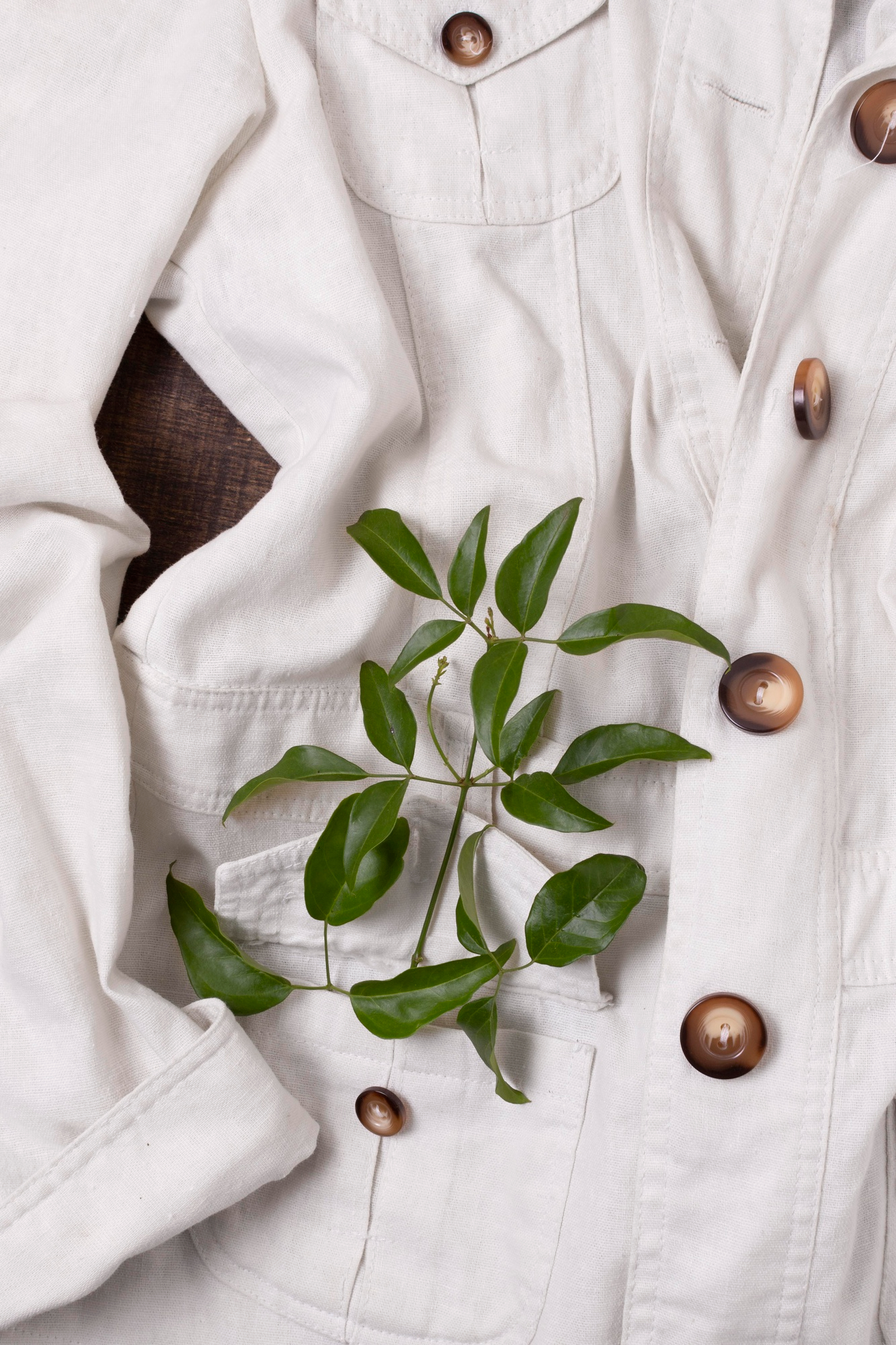
As the fashion world changes rapidly today, making environmentally conscious choices has become more important than ever. The concept of sustainability has entered our lives in almost every field and every moment. Sustainability in fashion is not just a simple trend; on the contrary, it carries the quality of being one of the fundamental elements of leaving a more livable world for future generations.
Recently, to draw attention to sustainability awareness, brands and designers acting with this level of consciousness have started to prefer using eco-friendly fabrics that respect nature and animals when designing pieces such as dresses. So, at this very point, what is this ecological fabric and why is it so important? Options such as organic fabric, recycled polyester, bamboo, organic cotton, and tencel, which is a type of fabric obtained from cellulose fibers, attract attention with their both eco-friendly and skin-friendly structures.
What is Ecological Fabric?
Ecological fabrics are fabrics produced using nature-friendly methods. Like organic fabrics, these fabrics are produced from materials that have completely organic and natural fibers. They are preferred because they do not involve the use of chemical substances in the production process of garments such as shalwar, and thanks to this, they have recyclable features.
Properties of Sustainable Ecological Fabrics
Ecological fabrics have many important features ranging from human health to being eco-friendly. Here are some of the features of ecological fabrics that we have compiled for you:
- Natural Fibers: Generally, natural fibers such as organic cotton, linen, wool, and silk are used in the production process of ecological fabrics.
- Chemical-Free: It is essential to protect nature and humans in these types of fabrics. Therefore, harmful chemicals are definitely not used in their production.
- Recyclable: Another most important feature of nature-friendly ecological fabrics is that since they contain nature-friendly materials, they can be easily recycled without harming nature if left to nature.
- Healthy: Ecological fabrics are harmless to human health because they contain natural fibers and the use of chemicals is avoided in their production.
The Importance of Ecological Fabrics
Ecological fabrics are the foundation of an eco-friendly and sustainable fashion approach. Natural fabrics minimize environmental impacts and reduce the amount of waste to the same extent thanks to their recyclable features. With these features, they support the sustainable fashion movement and enable us to leave a more livable world for future generations.
Why Should We Prefer Ecological Fabrics?
We should prefer ecological fabrics because they are, above all, human and environment-friendly. Natural fabrics also have an easily recyclable structure. These fabrics support moral production processes and also contribute to the realization of ethical working conditions.
Types of Ecological Fabrics We Should Know
Ecological fabrics are fabrics produced from eco-friendly materials and obtained without harming nature. In recent years, along with the understanding of sustainable fashion, the popularity of such fabrics has increased rapidly.
- Organic Cotton: Organic cotton fabric obtained from cotton grown without the use of chemical fertilizers and pesticides is both environment and skin-friendly.
- Linen: Being a natural fiber, linen is known for its durability and breathable properties. It is a reason for preference thanks to its aspect of providing light touches to your skin and not causing allergies.
- Wool: Obtained from the hairs of animals such as sheep, goats, alpacas, and llamas, wool is a natural and extremely warm fabric. Thanks to its sweat-preventing and moisture-absorbing features, it can be easily preferred in winter and autumn months.
- Silk: This fabric type, obtained from the protein fibers of silkworms during the cocooning process, is dizzying with its shiny and soft texture. Moreover, they provide comfort in both summer and winter months.
- Hemp: Are you looking for a fabric that is durable, soft, and natural? Hemp fabric is just for you! Known especially for its use in clothing and home textiles, hemp fabric is among the fabrics that are increasing their reputation in the fashion world.
- Bamboo: These fabrics are produced from the fast-growing bamboo plant. In addition to having antibacterial properties, it is eco-friendly.
Advantages of Sustainable Ecological Fabric Types
Ecological fabrics, which attract attention with their sustainability, stand out thanks to their production processes where environmental sensitivity is prioritized. This type of fabric, in addition to protecting natural resources, reduces the amount of waste at the same rate by incorporating recyclable features.
Since they are produced without the use of chemical substances, they do not harm nature or human health. Sustainable ecological fabrics support ethical production processes and encourage fair working conditions, which makes them beneficial for both the environment and society.
Health and Skin-Friendly Structure
Since ecological fabrics do not contain chemical substances, they do not cause irritation on the skin barrier and reduce the risk of allergies. Because they are produced from natural fibers, they allow the skin to breathe, protecting the skin's moisture balance and causing the skin to remain healthy.
Protecting the Environment and Contribution to Nature
Since ecological fabrics do not contain chemical substances in their production processes, they are the type of fabric that has the lowest potential to harm the environment. Because these fabrics are produced using natural fibers, they can be biologically degraded in nature and reclaimed for nature. They contribute to the protection of natural resources by reducing water and energy consumption.
Being Long-Lasting and Durable
Since ecological fabrics are produced from materials with natural fibers and are subjected to a minimal degree of chemical processing, they are extremely durable and long-lasting in terms of use. These features will maintain the natural structure of the fabrics and increase their quality.
Things to Consider When Choosing Ecological Fabric
Here are the things to consider when choosing ecological fabric:
- Natural Fibers: The fabrics of your clothes should be produced from natural fibers such as cotton, linen, and wool.
- Chemical Content: You should prefer fabrics that do not contain chemical substances in their content or production.
- Certificates: The product in question should have GOTS or similar certifications.
- Recyclability: Ensure your fabric has recyclable features.
- Production Process: Prefer fabrics produced with eco-friendly and sustainable methods.
Environmental Harms of Synthetic Fabrics
Synthetic fabrics are fabrics obtained from petroleum-based polymers, which increases fossil fuel consumption and causes terrible levels of damage to the environment. The use of synthetic fabrics, which emit high amounts of greenhouse gases in their production processes, causes climate change.
When synthetic fabrics are washed, the microplastic structures they contain mix into water sources and cause great damage to ecosystems.
Synthetic fabrics cause reactions on the skin due to the chemical substances used in their production, and this situation can harm the skin in many ways, from skin irritation to other allergic reactions.
Polyester fabrics clog the skin barrier and prevent the skin from breathing. This situation can lead to sweating and the emergence of other skin problems.
Every moment we wear something made of polyester, we are actually neither stylish nor comfortable; on the contrary, we expose ourselves to the toxic substances contained within the polyester.
Ecological Fabric Choice for a Sustainable Life
Ecological fabrics can be the first and most important step we take in creating an eco-friendly and sustainable lifestyle. These fabrics are obtained from natural fibers and are not exposed to any chemicals throughout their production processes. Thus, nature is not harmed, and human health is protected in the long run.
Choosing ecological fabrics will reduce environmental impacts by relieving nature. Chemicals used in traditional textiles pollute air and water sources and can even harm the soil. However, ecological fabrics produced naturally with natural materials minimize these negative effects. Thanks to their recyclable features, they contribute to the protection of natural resources by keeping waste amounts to a minimum.
The sustainable fashion movement can only become strong with the widespread use of ecological fabrics.