


Sustainable fashion represents an approach that addresses the design, production, and consumption of fashion by considering environmental, social, and economic factors. This concept is a search for solutions to protect nature and uphold human rights within the rapidly changing dynamics of the fashion industry.
Changing our shopping habits, making conscious choices, and using resources more efficiently are the cornerstones of sustainable fashion. Our clothing choices and their longevity form the building blocks of a sustainable future.
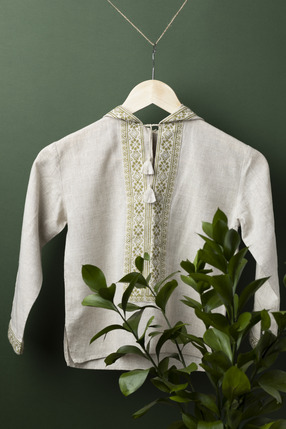
What is Sustainable Fashion?
Sustainable fashion emphasizes that fashion is not only an aesthetic field but also an ethical responsibility. In this way, it enables consumers to contribute to a healthier world by making conscious choices. By prioritizing simplicity and quality, this understanding also fosters positive change for individuals and communities.
Bohemian clothing and authentic clothing styles represent a lifestyle that embraces sustainability beyond just being a fashion trend. These styles consist of garments that reflect the colors, patterns, and textures of nature, often enriched with handmade or second-hand products.
While bohemian clothing prioritizes freedom and individuality, authentic clothing carries the understanding of preserving cultural heritage and traditions. The combination of these two styles helps reduce consumption habits, contributing to the development of fashion in a way that consumes fewer resources and is more environmentally friendly. Thus, clothing choices can be considered both an aesthetic expression and a nature-respecting lifestyle.
The Importance of Sustainable and Eco-Friendly Clothing Selection
Today, fashion has gone beyond being just a form of aesthetic expression; it is now integrated with the responsibility of protecting our environment. Choosing sustainable and eco-friendly clothing is an important step in preserving the balance of nature. Given the increasing textile waste and its harm, adopting conscious consumption habits is becoming vital.
Our clothing choices shape not only our personal style but also our impact on the planet. Sustainable fashion aims to both protect the ecosystem and support human health. This is why the motivation behind our clothing choices carries the responsibility of building a sustainable future.
Nature-friendly clothing choices not only reflect individuals' styles but also provide a major contribution to the environment. Garments produced with sustainable materials ensure that less water, energy, and harmful chemicals are used during the production process. Emerging with a low carbon footprint, these products support nature conservation efforts. Furthermore, alternatives like organic cotton help maintain the balance of the ecosystem.
Natural and Sustainable Fabrics
In the fashion world, one of the most important factors determining the quality of garments and their environmental impact is the fabrics used. Natural and sustainable fabrics offer great advantages to users from both aesthetic and functional perspectives.
Natural fibers such as cotton, bamboo, silk, and linen, when produced using organic farming methods, minimize damage to soil and water resources. Since these fabrics also contain fewer harmful chemicals for human health, they reduce the risk of allergic reactions upon contact with the skin.
Things to Consider When Shopping for Clothes
Clothing shopping is an important process that, in addition to expressing our style, also shapes our environmental impact. Today, with the rise of the sustainable fashion mindset, the elements that should be considered while shopping have become even more apparent. Quality, the message it carries, and its environmental impact are among the primary criteria that should be considered in the products we choose.
In particular, details such as whether the materials used are eco-friendly and whether ethical standards are followed in the production processes play a major role in our decision-making process. This conscious approach not only increases personal economic sustainability but also contributes to our efforts to maintain environmental balance.
Garment Care and Long-Term Use
Garment care is an important step toward contributing to the sustainability of fashion. Each piece can be used for a long time with proper care; this helps reduce environmental impacts. For example, cleaning your clothes regularly and being careful against signs of wear extend both their appearance and their lifespan. Conversely, hasty maintenance often leads to frequent clothing replacements.
Storing and cleaning your clothes in accordance with the user instructions is a reflection of the respect you have for your body and the health of nature. In this way, you also minimize the transition period in single-piece clothing.
Garment care is an important part of sustainable fashion. Extending the lifespan of clothes reduces environmental impact by preventing unnecessary consumption. Proper maintenance techniques protect the structure of fabrics and prevent colors from fading. For instance, airing out clothes instead of washing them frequently and removing stains immediately are nature-friendly approaches to the maintenance process.
Ways to Extend the Lifespan of Clothes
Today, the fashion industry is filled with a fast-consumption mindset. However, extending the lifespan of clothes is of great importance both for the environment and the economy. First, paying attention to the correct use and care of clothes plays a critical role in maintaining their quality.
Additionally, repairing damage to clothes in a timely manner is the most effective way to use a garment throughout its entire lifespan. Instead of repairing worn-out areas, throwing them away means not having adopted a sustainable habit.
Sustainable Fashion Tips
Sustainable fashion can be practiced not only in the selection of clothes but also in daily life. At this point, every individual can take steps while considering their environment when creating their own style. For example, reading labels when buying a piece and choosing those made from organic and recycled materials can make a big difference.
Furthermore, you can adopt a circular approach by reviewing your wardrobe at regular intervals and donating the clothes you do not wear or by participating in clothing swap events. Such practical steps both increase awareness of protecting the environment and help adopt a sustainable lifestyle.
Integrating sustainable fashion into our daily lives is possible with small but effective steps.
- First of all, making a list before going shopping helps you avoid unnecessary purchases.
- Combining your clothes with a mix-and-match wardrobe offers more usage opportunities for each piece.
- Choosing natural fabrics offers an option that is both skin-friendly and less harmful to the environment.
- You can extend the lifespan of your clothes by caring for them properly. Remember, every step is important for a sustainable world.
The Importance of Textile Recycling
Textile recycling holds a critical place in the rising sustainable fashion movement. Millions of tons of textile waste are generated worldwide every year, and a large portion of this waste is sent to landfills. However, thanks to recycling, these materials can be re-evaluated; by creating new products, the consumption of natural resources can be reduced.
Recycling not only reduces the amount of waste but also helps lower carbon dioxide emissions. Every step of recycling appears as an important investment for both protecting our environment and our future. In this way, we are taking a concrete step toward building a sustainable society.