


Polyester fabrics, which have become one of the cornerstones of the modern textile industry over time, are actually a relatively new product. They appear as one of the results of the scientific fashion revolution that began in the mid-20th century. Although the luxury and texture of natural fabrics may seem impressive to all of us, their durability and accessibility could sometimes be challenging. It is precisely at this point that the quest for a man-made fabric began, and polyester fabric succeeded in finding a place in all of our lives as one of the most important innovations in the textile industry.
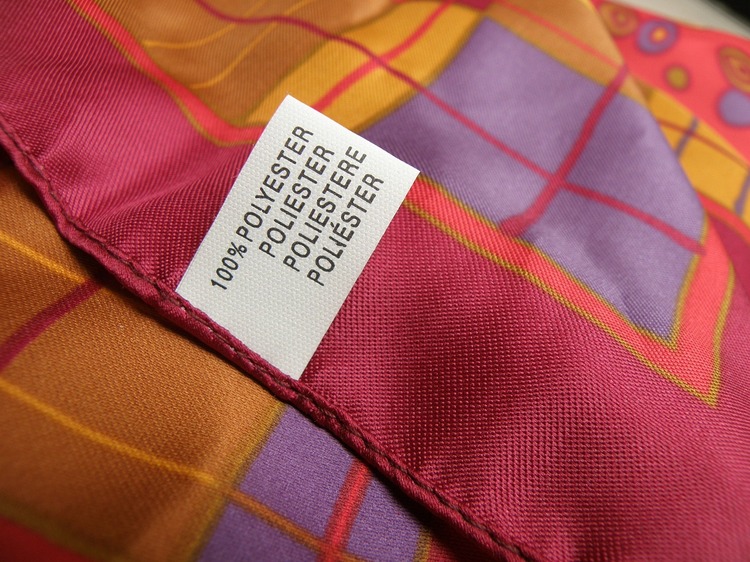
Polyester fabric was created in the 1940s as a result of the work of British chemists John Rex Whinfield and James Tennant Dickson. After these two scientists discovered that polymer materials derived from petroleum derivatives could be used as raw materials in clothing, this fabric, which began to develop in 1941, managed to attract attention worldwide thanks to its durability and low cost.
Especially considering a world suffering from economic hardships after the Second World War, polyester fabric was an extremely suitable option that could be produced quickly and appeal to large masses. With the discovery of polyester's potential by American clothing brands that appealed to the whole world in the 1950s, this fabric became much more widespread. Polyester fabric established a serious dominance in the fields of women's clothing and men's clothing.
Considering its use today, polyester fabric has become a product with a wide range of applications, not only in inner and outer clothing such as women's shalwar but also from comfortable clothing and sportswear to home textiles and even outdoor products. For example, thanks to the lightness and breathable structure of polyester-based clothes designed for athletes, the athlete's performance increases, while polyesters used in home textiles have become a reason for preference because they have a more resistant structure compared to natural fabric-based products that wrinkle and stain easily.
What Are the Harms of Polyester Fabric?
Since the basis of polyester fabric is petroleum-based polymer materials, the first question that comes to users' minds is, "What are the harms of polyester fabric?" It is very natural to ask this question because a person has the right to be informed about the clothes they will wear, and today, no one can compare polyester fabric to the health benefits of natural fabrics!
However, despite all this, in the 21st century where consumption culture is on the rise compared to production culture, the practicality and comfort that polyester fabric provides to humanity cannot be ignored. Let's take a look at the harms of polyester fabric together and you decide whether it is good or bad. Here are the details;
- Harm to the Environment: Since polyester fabric is produced from a petroleum-derived material, large amounts of water and energy are consumed during its production. Additionally, the use of harmful chemicals in the production process is among the environmentally harmful aspects of polyester. The fact that it takes many years for polyester fabric to dissolve in nature is another important factor contributing to environmental pollution.
- Effects on Health: Polyester fabric can cause allergic reactions in some people with sensitive skin barriers as soon as it comes into contact with the skin. Additionally, the non-breathable structure of polyester is among the reasons that can increase sweating and lead to skin irritation. This can be considered uncomfortable, especially for people with sensitive skin.
- Microplastic Pollution: Polyester fabric causes as much damage when not in use as it does during use. These fabrics have a structure that can release microplastic particles into the water during washing. These microplastics can mix into water sources after washing and harm marine life, which emerges as a very important factor that can have negative effects on human health. We would like to underline that microplastic pollution is accepted as a significant environmental problem today.
- Static Electricity: Polyester fabric causes the accumulation of static electricity, which can cause clothes to stick to the body and lead to a feeling of discomfort. Furthermore, the accumulation of static electricity is among the phenomena that can have negative health consequences when it interacts with electronic devices.
- Non-Breathable Structure: Polyester fabric does not allow the skin to breathe as easily as fabric types produced using natural fibers. This can make it difficult to regulate body temperature and consequently lead to sweating. From this perspective, it is possible to say that clothes such as dresses made from polyester fabrics will be uncomfortable for the body, especially during hot weather such as summer and spring.
Is Polyester Fabric Healthy?
It is not even a matter of question that polyester fabric, which has become widespread after being produced by two scientists in the mid-20th century, is a healthy option, as it contains many dangerous chemicals such as petroleum-based polymers.
Leaving aside the chemicals it contains that negatively affect health, considering the risk of showing allergic reactions from the moment it comes into contact with the skin barrier, the scorching structure that does not allow the skin to breathe, thus trapping heat inside and causing excessive sweating, and even the potential for skin irritation, it is possible to say that no fabric produced from polyester material is healthy for the skin; on the contrary, it threatens health to a high degree.
However, we would like to remind you that the effects of polyester on your health can also vary significantly depending on whether your skin is sensitive and how often you prefer to use products containing polyester.
What Alternatives Can Be Preferred to Avoid Polyester Fabric?
With the widespread use of social media and the increase in recyclable fashion trends in the fashion world, users are now aware of the harms of polyester fabrics, and this situation has brought about the formation of groups that stay away from products made from polyester fabrics.
If you are one of those who care about your own health, your environment, and your future, we have come to you with a few alternative fabric suggestions that you can use instead of polyester fabric! Here are some of them;
- Cotton: Since cotton is a type of fabric produced from natural fibers, it is skin-friendly and has a very low risk of causing allergies. Thanks to its breathable structure, it reduces sweating and allows the skin to breathe comfortably. In addition to all these, cotton fabrics are quite soft and durable, which is enough to make them an alternative fabric type to polyester. Daily dress models are usually cotton fabrics.
- Linen: In addition to being a sustainable fabric type with natural fibers, linen has become popular in today's fashion. Known for being lightweight and breathable, this fabric type is especially preferred in the summer months. These fabrics, which also have a cooling property, do not cause skin irritation. At the same time, linen fabrics have a durable structure, which makes them long-lasting.
- Bamboo: Bamboo fabric is an eco-friendly and sustainable fabric alternative. Produced from fibers obtained from the bamboo plant, this fabric has natural antibacterial properties and does not cause skin irritation. Bamboo fabrics also provide high-level comfort to the user thanks to their soft and lightweight structure that allows the skin to breathe, and by absorbing moisture rapidly in case of sweating, they prevent discomfort.
We have come to the end of our article where we have examined polyester fabrics in detail, from their production history to their advantages and disadvantages. Hope to see you in our next article.