


The winter season has been etched into our minds as a special period when nature is covered in a white blanket, cold winds gently caress our hair, and dark days are illuminated by heart-warming moments with the help of a hot coffee. However, behind this romantic view lies the need to dress correctly, especially to cope with the challenges brought by cold weather.
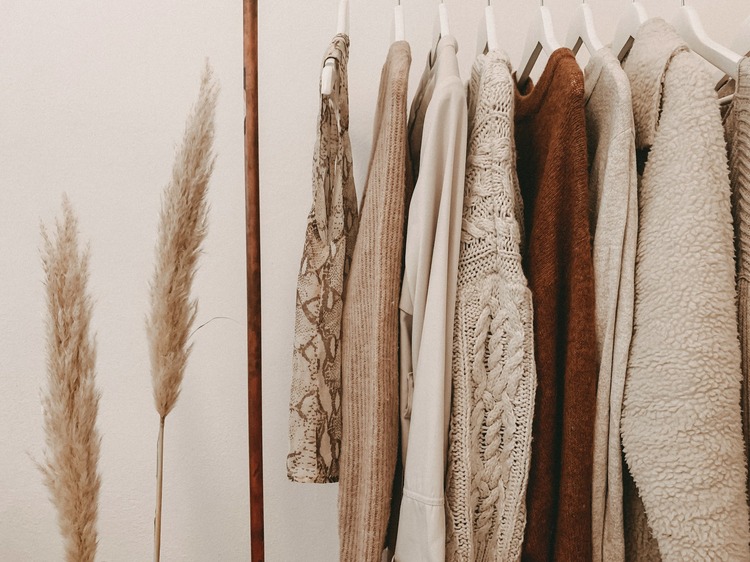
The rapid drop in air temperatures is a time when keeping the body warm and fighting the cold is of vital importance. Choosing outfits with the right designs produced from the right fabrics during these periods will not only protect you from health problems that can be common during these times, such as colds and flu, but will also help you have a highly enjoyable winter by being both comfortable and stylish.
So, why is dressing warmly in winter so important? Cold air can weaken our immune system by lowering body temperature, which invites various other diseases, primarily the common cold. The primary goal in choosing comfortable clothes in thick fabrics when selecting winter attire, such as women's baggy pants, is to minimize the effects of the cold by maintaining your body's temperature. To achieve this goal in the most accurate and comfortable way, one must pay attention to the properties of the fabrics used in the production of clothes such as blouses. These properties should be such that they keep body heat inside, block the wind, and also wick away moisture. Especially garments produced from fabrics with natural fibers are among the most successful options in terms of maintaining body temperature.
Let us learn together what the most suitable fabrics are for the winter season, what properties these fabrics have, and how they can be used best in combinations under the guidance of Los Banditos in the following parts of this article, where we will discuss winter fabrics! Wouldn't you like to allow yourself to enjoy the winter season without having to sacrifice your comfort and warmth? Then keep reading. We wish you a good read!
What Are Winter Fabrics?
It is important to choose pieces produced from the most accurate fabric types when selecting clothes such as casual dresses in order to stay warm and comfortable during periods like winter, when snowy, rainy, and sometimes stormy cold weather conditions prevail. Only in this way can we maintain our body temperature without having to compromise our style. Here are the winter fabrics we have specially compiled for you and their extremely useful properties;
- Wool: Wool is a natural fiber that provides excellent thermal insulation on us when it is turned into fabric and takes the shape of clothing. This fabric type, which keeps you warm and absorbs moisture, especially in cold weather, proves to be a very successful option in keeping the skin dry. Wool fabrics emerge as sweaters, coats, and scarves when the weather gets cold.
- Cashmere: Cashmere is an extremely soft, comfortable, and luxurious fabric type produced from rare natural fibers. In addition to providing high thermal insulation, its lightweight structure offers the user a maximum level of comfort experience. Cashmere sweaters, shawls, and gloves are among the options that will keep you warm on cold winter days.
- Fleece: Fleece fabric is a type of fabric produced using synthetic materials and is known for its lightweight and warmth-retaining properties. It eliminates moisture by evaporating it rapidly and keeps the skin dry at a maximum level. Looking at it this way, we can understand why fleece jackets, coats, and blankets are so popular in the winter months.
- Velvet: Velvet is a fabric type known and frequently used by almost everyone due to its soft and smooth texture. In addition to providing thermal insulation, velvet clothing, which also offers a very stylish look—such as dress models, jackets, and trousers—are among the options that will ensure you are both warm and stylish during the winter months.
Should Natural or Synthetic Be Preferred for Winter Fabrics?
When we do our winter shopping, we may be confused about whether to prefer pieces made from natural or synthetic fabrics. Here are the answers;
Natural Fabrics
Natural fabrics are the name given to fabrics produced using natural fibers such as wool, cashmere, and cotton. Thanks to their breathable structures, these fabric types regulate body temperature and eliminate the moisture the body may secrete at high heat by absorbing it at a maximum level. Natural fibers are extremely skin-friendly and the risk of allergic reactions on the skin barrier is low.
Choosing garments obtained from fabrics produced using natural fibers, primarily in women's clothing and children's clothing, while doing winter shopping keeps you warm in cold weather and provides a high level of comfort. By absorbing moisture and keeping the skin dry, it also minimizes the risk of irritation. Additionally, fabric varieties containing natural fibers are much longer-lasting compared to other fabric types and, with proper care, will offer the user a high-quality and comfortable usage experience for years, just like on the first day.
Synthetic Fabrics
Synthetic fabrics are types of fabrics produced from chemical-based materials such as polyester, nylon, and acrylic. Because these fabric types are generally easier to produce, they are cheaper and more durable options compared to fabrics produced using natural fibers; additionally, synthetic fabrics dry quickly and can maintain their shape for a long time without deteriorating. However, these fabric types, which contain high amounts of chemicals, can cause extremely dangerous situations for health.
Since synthetic fabrics contain high proportions of chemical substances such as plastic and petroleum, they allow less breathability to the skin compared to natural fabrics, and this situation will cause hot flashes and, furthermore, uncontrollable sweating. In this sense, choosing clothes made of synthetic fabrics very frequently means irritation and discomfort on the skin. In addition to all these, we would like to underline that synthetic fabrics can cause great harm not only to human health but also to the environment and that it takes many years for them to decompose in nature.
In Which Clothes Are Winter Fabrics Used?
The way to stay warm with comfortable clothing during winter chills is through choosing the right winter fabrics. Winter fabrics, as the name implies, are used in the production of winter clothes. Here are some examples of garments where we most frequently witness the use of winter fabrics;
Sweater Models
Wool and cashmere sweaters provide excellent thermal insulation while also keeping you warm in cold weather. Thanks to their soft textures, they touch the skin gently and offer comfort.
While fleece jackets, which are among the first garments that come to mind when winter is mentioned, are known for their high level of warmth despite being lightweight, wool coats stand out with their durability and thermal insulation.
Cashmere and wool scarves add a winter-specific elegance in addition to keeping the neck area warm. These pieces do not irritate the skin thanks to their soft textures.
We have reached the end of our article where we have discussed winter fabrics in detail. Hope to see you in our next article.