


Linen is known as one of the most durable fibers offered by nature. Thanks to this characteristic, it softens over time while maintaining its shape. From the past to the present, because it is easy to process and weave, it has become one of the indispensable fabrics that guide fashion. Linen fabric, with its aesthetic appearance and comfort, is used in a wide range of styles, from street fashion to classic looks.
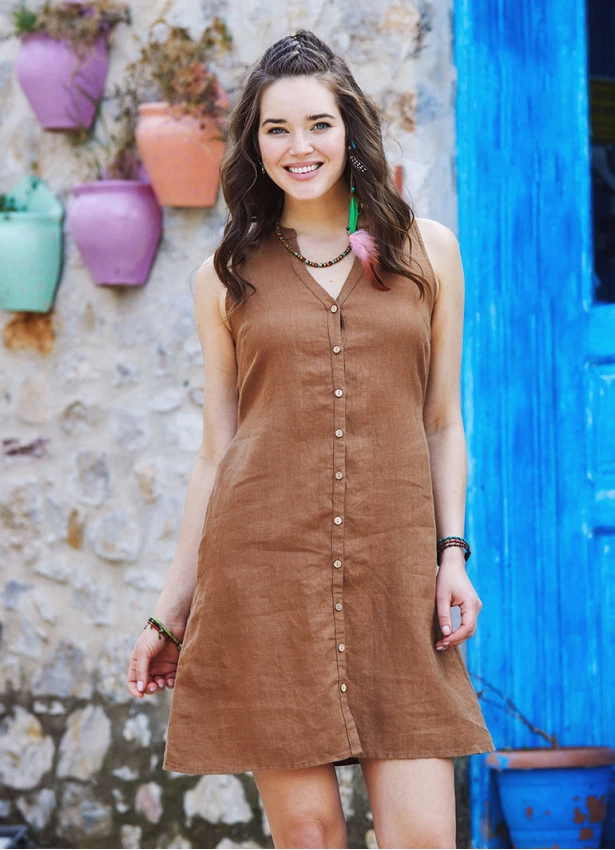
Linen Fabric
Offering a skin-friendly structure thanks to its natural fibers, linen is preferred as a breathable fabric in hot weather. These features increase user comfort, especially during outdoor activities such as beach trips and picnics. Linen fabric dress models are among the essential pieces of summer months with both their elegance and comfort.
Properties of Linen Fabric
The unique texture of linen fabric makes it an ideal option for everyone, earning it a special place in wardrobes. While it is frequently used in flared dress designs with its breezy cuts, it also displays an elegant stance. Linen fabric is known for its durability; its resistance to wear and tear guarantees long-lasting use.
- Linen fabric stands out as one of the oldest and most natural materials offered by nature.
- Being produced from 100% natural fibers gives it a unique texture and appearance.
- Linen fabric has excellent air permeability, providing a cooling effect in hot weather.
- Its moisture-absorbing capacity is also quite high, helping to balance body temperature with this feature.
- Thanks to its natural structure, it offers an eco-friendly option.
Linen Fabric Care
Linen fabric has always been the choice of those seeking elegance and comfort together. Linen fabric is one of the most elegant textures nature has to offer. However, to extend the life of this magnificent fabric and preserve its appearance, following specific care rules is essential.
First, you can preserve the structure of the linen fabric by opting for dry cleaning. If you need to wash it at home, you should use a gentle cycle with cold water. You should never use hot water, as heat can cause linen to shrink.
Additionally, choosing a natural environment for drying is best; avoiding direct exposure to sunlight prevents colors from fading. To maintain the natural structure of linen, remember to iron it at a low temperature.
Advantages of Linen Fabric
Linen fabric is one of the most unique materials nature provides. The natural fibers of linen minimize allergic reactions and offer a skin-friendly option. Linen fabric, which has maintained its properties for centuries, gives its user a luxurious feel with every use thanks to its texture that beautifies over time.
While a bohemian dress symbolizes a free spirit and artistic identity, it creates a magnificent harmony when combined with the lightness of linen fabric. Whether in daily life or walking among summer flowers, linen bohemian dresses offer both comfort and elegance.
Types of Linen Fabric
Types of linen fabric include raw linen, cotton linen, linen, duck linen, and slub linen. Each has its own unique characteristics, offering different combinations in terms of both aesthetics and functionality. The variety of linen fabrics is one of the main reasons they are frequently preferred in the fashion world.
Raw Linen Fabric
Raw linen fabric is the unprocessed state of natural linen fibers. Usually found in raw color tones, this fabric stands out with its less processed structure.
Cotton Linen Fabric
Cotton linen fabric is a lightweight, breathable fabric type that combines the natural texture of linen with cotton. This special fabric is indispensable for summer months. Thanks to the perfect balance it strikes between cotton and linen, it keeps you cool in hot weather while also keeping your style at the forefront.
Cotton linen fabric is skin-friendly due to its soft texture and has a low probability of causing allergies. It is frequently used in modern designs as well as traditional clothing. It is an excellent choice for a comfortable casual dress or a stylish blouse. The lightness offered by this fabric is one of the fundamental features that make it preferred for both daily and special occasions.
Linen Fabric (Fine Linen)
Linen fabric is a natural and lightweight textile material produced from flax fibers. Like linen, it has high air permeability and provides comfortable use by balancing body temperature.
Duck Linen Fabric
Duck linen fabric is a special type of linen known for its durability and sturdy structure. Generally, thanks to its thick texture, this fabric is ideal for both indoor and outdoor use. Duck fabric has a unique texture that adds both visual and physical value. Drawing attention with its water-repellent feature, duck linen provides protection, especially in rainy weather. Therefore, it holds an important place in decorations made in summer venues and gardens.
Slub Linen Fabric
Slub linen fabric is a special type of fabric that stands out with its lightweight and breathable structure. Thanks to the weaving of linen fibers with fine threads, slub linen has a softer texture than classic linen fabrics.
Generally preferred in summer months, this fabric offers a refreshing feel to its users with its body temperature-regulating feature. Having an extremely stylish appearance, slub linen can be used in both daily wear and special events. Moreover, it has a structure where disadvantages like wrinkling are minimized. In the fashion world, it has become an essential for elegant outfits.
Frequently Asked Questions
Linen fabric is among the topics that many people are curious about and ask about frequently. We have sought answers to the questions wondered about linen fabric...
What is Linen Fabric Made Of?
Linen fabric is obtained from the flax plant, which is a natural fiber. The flax plant grows especially in warm climates and stands out with its green leaves and long, fibrous stem. Flax fibers are extracted from the stem of the plant through mechanical processing and then turned into fabric after undergoing various treatments. During the processing stage, the fibers are cleaned, beaten, and turned into yarn. In the final stage, these yarns are woven to obtain linen, which is both a durable and healthy fabric.
Does Linen Make You Sweat?
Since linen fabric is produced from natural fibers, it has a breathable structure. This feature helps keep body temperature balanced while minimizing sweating in hot weather. Under high temperatures, linen fabric evaporates moisture very quickly, keeping the body cool.
Which Clothes Are Made from Linen Fabric?
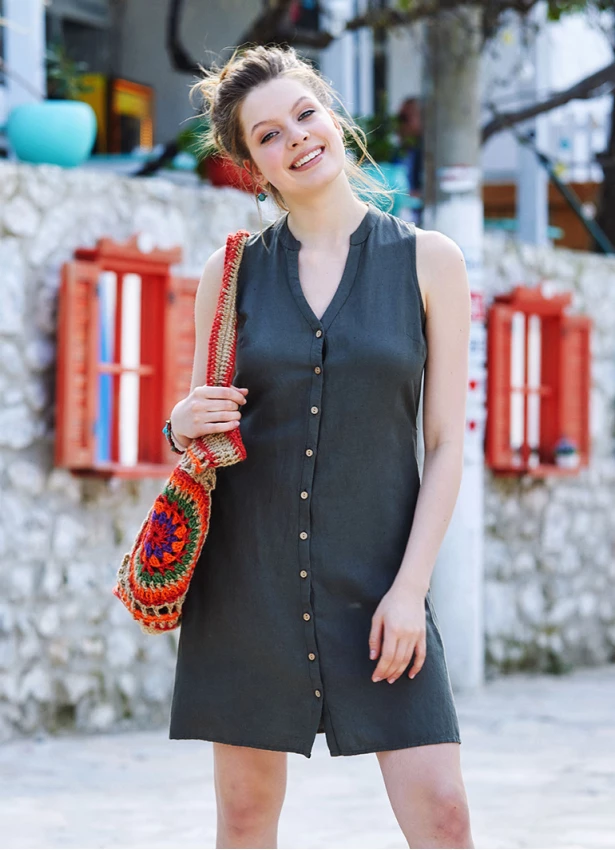
Linen dresses are the choice of those who want to stay cool in hot weather. Comfortable, loose-fitting tops are also popular. Flared dresses, in particular, harmonize perfectly with the lightness of linen. High-waisted trousers and shorts made from linen fabric are also timeless fashion pieces.
Does Linen Fabric Wrinkle?
One of the most well-known characteristics of linen fabric is its tendency to wrinkle. This stems from the structural features of linen. Its fibers are loose and therefore can easily change shape. When worn or folded, linen fabric can wrinkle immediately. These wrinkles become more prominent, especially in hot environments or situations where body temperature increases. As a sustainable option, the ease of linen's recycling process in nature makes its wrinkles acceptable.
Does Linen Fabric Fade?
Since linen fabric is produced from the flax plant, which is a natural fiber, it carries the risk of fading when exposed to sunlight. This becomes more apparent especially in light-colored linen garments. However, high-quality linen fabrics are more resistant to sunlight, and the fading rate is low.
In Which Season Is Linen Fabric Worn?
Linen fabric is a type of fabric preferred in hot weather with its lightweight structure and breathable properties. Especially in the summer season, 100% linen or linen-blend garments help the body stay cool without sweating.
Does Linen Fabric Shrink When Washed?
Since linen fabric is produced using natural flax fibers, it has a tendency to shrink to a certain degree during washing. It is likely that 3% to 5% shrinkage will occur during the first wash. This is a natural characteristic of the fabric's structure and happens due to the interaction of flax fibers with water. It would be beneficial to carefully check the label instructions before washing your linen dresses so you do not encounter any unpleasant surprises.
Is Linen Fabric Stretchy?
Traditionally, the natural fiber structure of linen fabric is tight and stiff, which prevents it from stretching involuntarily. The natural structure of linen softens over time and becomes more comfortable.